
An Isolator and a circuit breaker work together in Power systems. Isolators are mechanical switches specifically designed to ensure a section of the circuit is completely de-energized for maintenance or safety purposes. Circuit breakers, on the other hand, are protective devices designed to interrupt current flow during faults like overloads or short circuits.
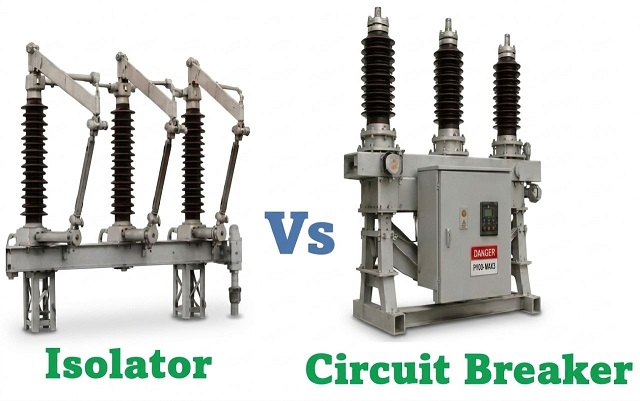
Let us see what Isolators and Circuit Breakers are used for
What Is an Isolator?
An isolator is a mechanical switch designed to physically disconnect a part of the electrical circuit, ensuring that the section is completely de-energized for safe maintenance. Unlike circuit breakers, isolators are off-load devices, meaning they should only be operated when no current is flowing through the circuit.
What Is a Circuit Breaker?
A circuit breaker (CB) is an automatic device that interrupts current flow in a circuit during abnormal conditions, such as overloads or short circuits. It can operate under load conditions and is equipped to handle fault currents.
Why are Isolators Placed Before and After Circuit Breakers?
At first glance, placing isolators around a circuit breaker, as shown in the single-line diagram below, might seem like overkill, but there’s a solid method behind the madness. Here’s why isolators are installed both before and after circuit breakers:
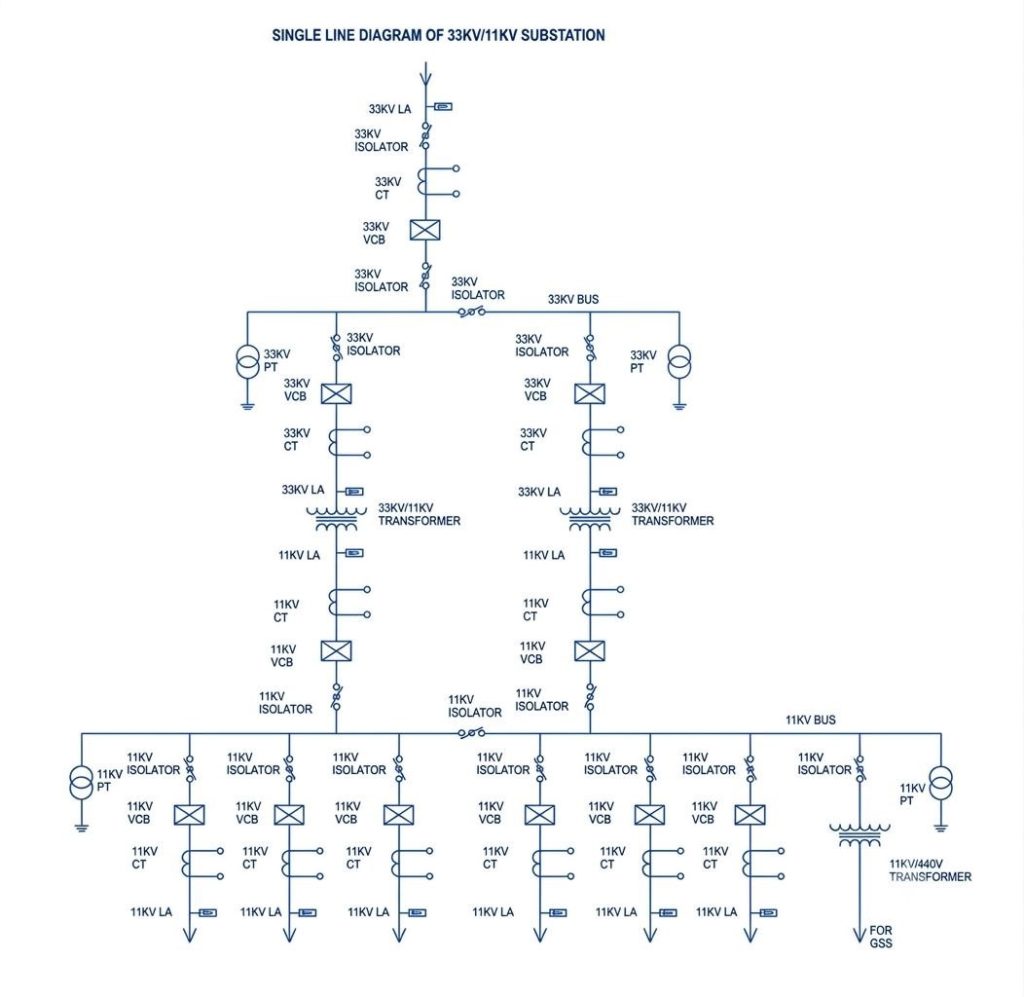
- Ensuring Complete Isolation: When maintenance or inspection is needed, it’s crucial to guarantee the circuit is fully disconnected from power. Having isolators on both sides of the breaker means technicians can work safely without risk of accidental energization from either direction.
- Facilitating Safe Maintenance: Circuit breakers can be opened to interrupt the current, but they are not designed to provide a visible break or guarantee zero voltage. Isolators provide that clear, physical disconnection, making it obvious that the circuit is safe to touch.
- Enhanced Safety Redundancy: Electrical faults or failures can sometimes render a breaker ineffective. The isolators act as an extra layer of safety, physically disconnecting the line to prevent any unexpected flow of electricity.
- Better Operational Flexibility: Placing isolators on both sides allows sections of a circuit to be isolated independently, which is especially useful in complex electrical networks or industrial settings. This flexibility minimizes downtime and improves system reliability.
- Compliance with Standards and Codes: Many electrical safety standards and regulations mandate the use of isolators in conjunction with circuit breakers to ensure maximum protection for personnel and equipment.
Think of it like a double lock system on your front door: the circuit breaker is your main lock, stopping intruders (faults) from causing damage, while the isolators are additional deadbolts that guarantee the door stays absolutely shut when needed. Together, they create a robust safety net.
So next time you see isolators before and after a circuit breaker, you’ll know that it’s all about maximizing safety, ensuring clear isolation, and providing peace of mind for those who work on these electrical systems.
Operating Sequence of Isolator and Circuit Breaker
Circuit breakers handle high-current switching and fault interruption, while isolators provide a visible, physical separation of the circuit for maintenance and safety. Improper operation can lead to equipment damage, hazards, or prolonged outages, so understanding the correct sequence is crucial.
Switching On Sequence: Energizing the Circuit
- Close the Circuit Breaker first: Before closing an isolator, the circuit breaker is closed to energize the circuit safely and control the fault current if necessary.
- Close the Isolators next: Once the circuit breaker is closed, the isolators can be closed to complete the circuit path fully. This ensures the circuit is live and protected.
Switching Off Sequence: De-energizing the Circuit
- Open the Isolators first: Isolators are opened to create a visible and safe break in the circuit. This step ensures that any maintenance work can be done safely without risk of accidental contact with live parts.
- Open the Circuit Breaker last: The circuit breaker is opened after isolators. This step interrupts the current flow, isolating the equipment or section of the network.
Key Tips to Remember
- The circuit breaker must always be operated under load, as it is designed to interrupt current safely.
- Isolators are never operated under load; they are meant to be operated only when the circuit is de-energized to avoid arcing.
- Always ensure the correct sequence is followed to maintain safety and equipment integrity.


